
Activator.
Reawakening creativity, curiosity & human potential.
Former headteacher. Author of five internationally acclaimed books. Keynote speaker to the world’s most demanding organisations. And the man who remains, at heart, entirely convinced that the answers were always inside the people he’s talking to.
He just reawakens them.
Microsoft
Visa
UNESCO
Telefónica
England Rugby
Harvard
Cisco
He activates the human potential your organisation already has.
Richard Gerver works with the world’s most demanding organisations on the problem that nobody else is solving: how to give your people back the curiosity, courage, and creativity their education and their industry trained out of them.
He doesn’t run change programmes. He doesn’t sell frameworks. He doesn’t hand your leadership team a system they can file away and quietly ignore. He walks into a room and reawakens something — the instinct, the energy, the capacity for genuine inquiry — that your organisation hired and forgot it had.
The organisations that have worked with Richard describe a consistent experience: their people leave differently than they arrived. Not motivated, in the temporary sense. Reawakened. The difference matters, because one lasts for a conference and the other lasts for careers.
“We squander human potential — and that is a bigger crime than the natural resources we are squandering. The work is to reawaken it.”
6
40–60
5
25+
“The practical embodiment of high-thinking on unleashing creativity and potential.”
“Richard didn’t give us a leadership framework. He gave us back the people we forgot we had hired.”
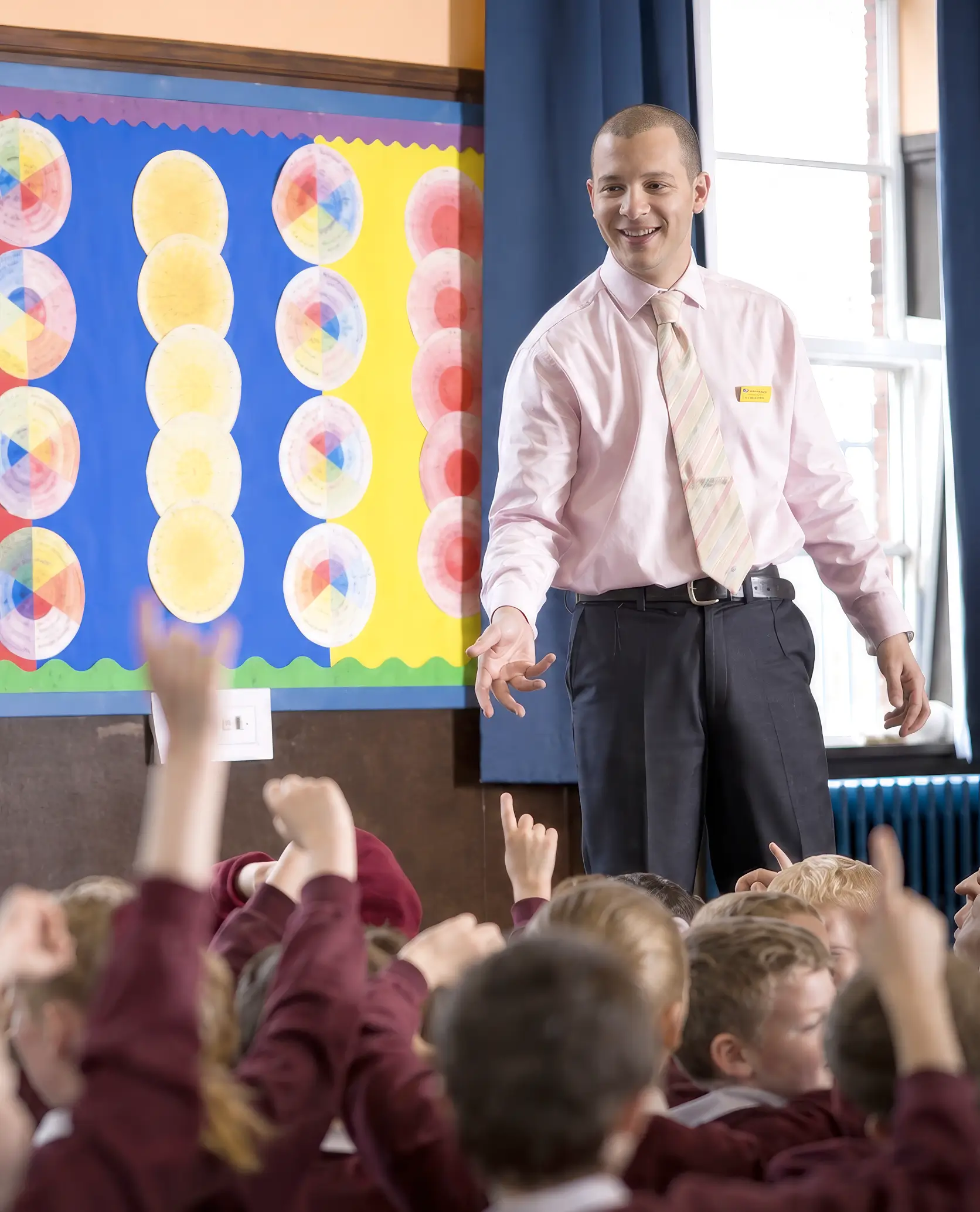
A school nobody wanted. A community that had stopped believing.
In 2001, Richard Gerver was given a school that was failing with some commitment. Grange Primary in Long Eaton, on the Nottinghamshire-Derbyshire border, sat in the bottom 5% of national rankings. Fewer than half its pupils were achieving benchmark grades. Parents covered their children’s uniforms on the way home. The community had been told, for decades, what it would become — and had agreed.
Richard arrived with three words and a refusal to add any more: living, learning, laughing. He built Grangeton — a simulated town inside the school, run entirely by the children. A council with an elected mayor. A shop that turned a profit. A radio station that broadcast three times a week. A museum open to the public. A newspaper with full editorial independence. A café conducted in French.
His instinct was that the problem was not performance. It was permission. The children had been told what they couldn’t become. His job was to give them back the curiosity and courage they’d had at five, before the systems got to them.
“This school is famous — and I made it famous.”
A seven-year-old at Grange Primary, unprompted, to a government inspector.
Bottom 5%
Top 5%
UNESCO
What he built for children, he now builds for grown-ups.
Same methodology. Same psychology. Same outcome. Different room.
A community that had been told what it would become.
From the bottom 5% nationally to the top 5% in less than two years.
The Grange transformation wasn’t a miracle. It was a method. It still is.
Twenty years. Six continents. One argument.
When Richard left teaching and walked onto the global corporate stage, he took one thing with him: the proof that the method worked. What he had built at Grange was not a school story. It was a human story. And human stories, he quickly discovered, travel.
He has since delivered keynotes at TED, WOBI, the RSA, and the Festival of Ideas in Mexico City — where he walked onto a concert-sized stage to Kings of Leon in front of several thousand senior executives who had been expecting something considerably more institutional. He gave them something better: the hour in which they realised the problem wasn’t the market, the competitors, or the technology. It was that their organisations had spent twenty years training the curiosity out of their best people.
His clients have included Google, Microsoft, Visa, Deloitte, Morgan Stanley, Telefónica, England Rugby, Harvard Business School, Cisco, Olympic federations, and governments on multiple continents. Every booking is rebuilt for the room. The spine does not change.
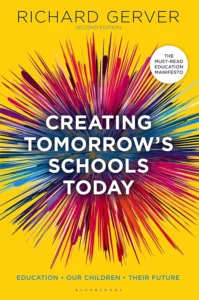
His three keynotes — Reawaken Curiosity, Reawaken Change, and Reawaken Simplicity — are each anchored in a book and each built around the same operating principle: your people already have what you need. The work is to give it back to them.
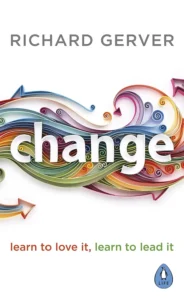
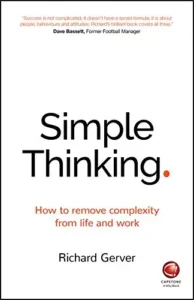
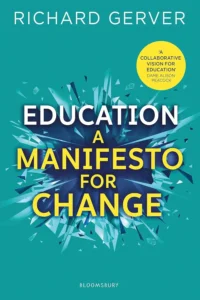
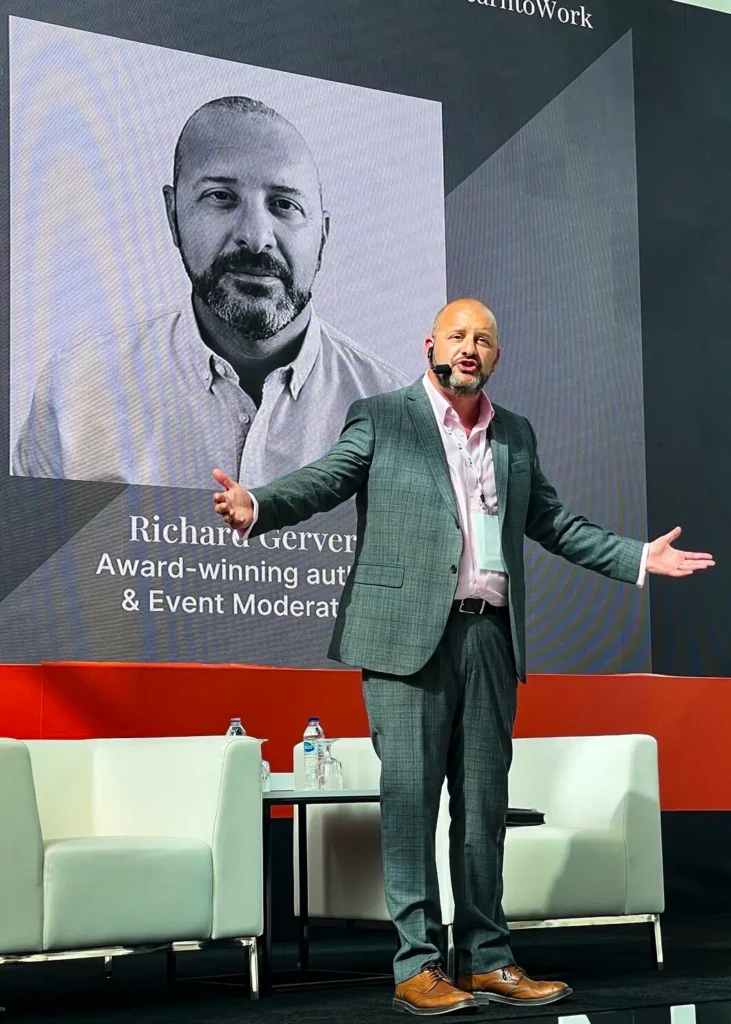
Three questions. No right answers. That's rather the point.
"What makes your heart beat faster?"
"What did you stop being curious about?"
"Am I authoring this — or surviving it?"
“I’ve watched a thousand keynotes. Richard is the only one who reminded me I used to be five.”
“He makes it look effortless. Then you realise what just happened in the room — and you book him again.”
“Our people are still using his language six months later. That has never happened with a keynote speaker before.”
Warm, playful, and entirely serious about human beings.
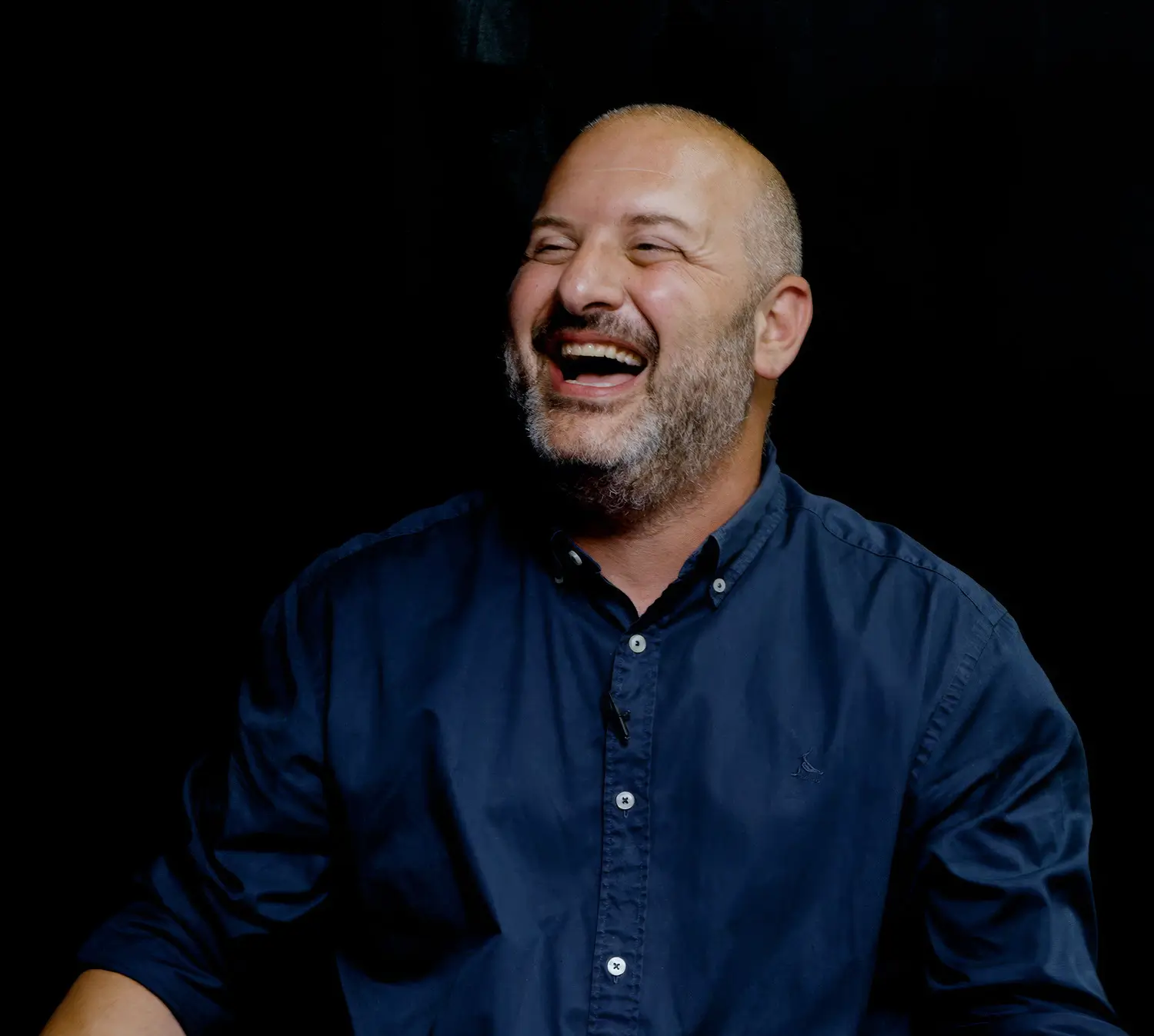
Richard Gerver describes himself, when pressed, as a nine-year-old kid who somehow got given a school to run — and has never quite recovered from the joy of it. He is, genuinely, one of the funniest people many of his clients have met on a stage. He is also, underneath the wit and the warmth and the perfectly timed pause, completely serious about what he believes.
He believes that every adult in every room he walks into was once a child who was unstoppable. He believes that the systems and structures around those adults have done a thorough job of teaching them to stop. And he believes — with the certainty of someone who has proved it at scale, in the most challenging conditions imaginable — that the stopping is reversible.
His wife Lynn, who taught alongside him at Grange for five years and has known him for longer than that, has said that his brain works differently — that he finds solutions to things that other people have simply agreed to call problems. He would probably call that modest. His audiences would call it accurate.
He is Jewish, deeply connected to questions of humanity and moral obligation. He takes his work seriously and himself lightly. He walked onto a stage in Mexico City to Kings of Leon because he thought it would be funny — and because the executives in the front row needed the signal that the next hour was going to be different from what they were expecting.
It was.
Two chapters of one career. One argument throughout.
The Educator
1990–2006
The Activator
2006–present
“Whether I was talking to a class of nine-year-olds on a wet Thursday afternoon or a boardroom of senior executives — the work was always the same. Give them back the belief that they could. Get out of the way. Let them go.”
Richard Gerver
“A child of five would understand this. Send someone to fetch a child of five.”